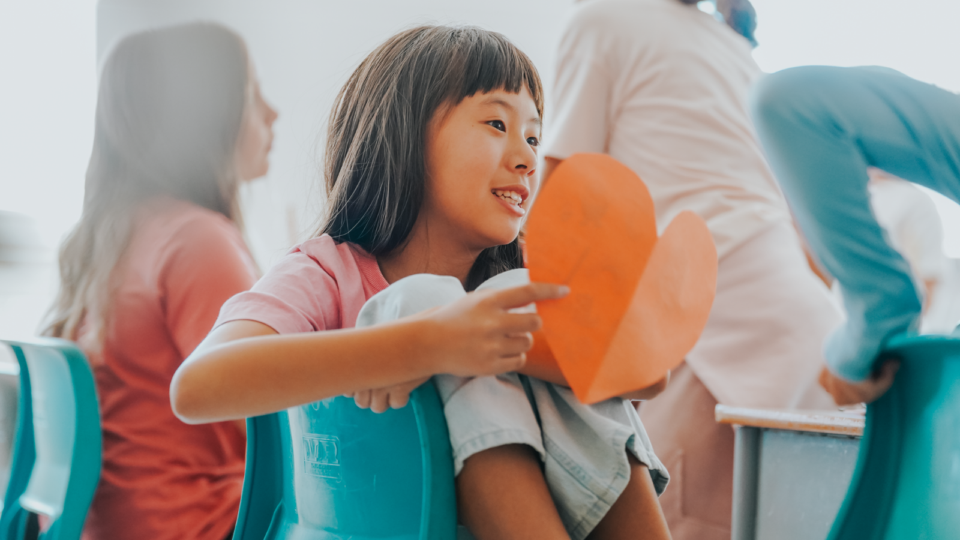
What does reconciliation look like in a school?
It can begin with listening to a Residential School Survivor. Asking a question after hearing an Elder speak. Learning the meaning behind an orange shirt. Painting a heart with a Kindergarten buddy. Or hearing a story that helps us understand a part of Canadian history we cannot forget.
Throughout Truth and Reconciliation Week, students and staff across the Ottawa Catholic School Board took part in learning focused on Indigenous histories, cultures, and perspectives; the history and on-going impacts of the Residential School System; and our shared responsibility towards reconciliation.
The learning looked different from school to school and classroom to classroom, but one thing connected them all: the importance of listening and learning from Indigenous voices.
Learning from Indigenous Voices at Notre Dame
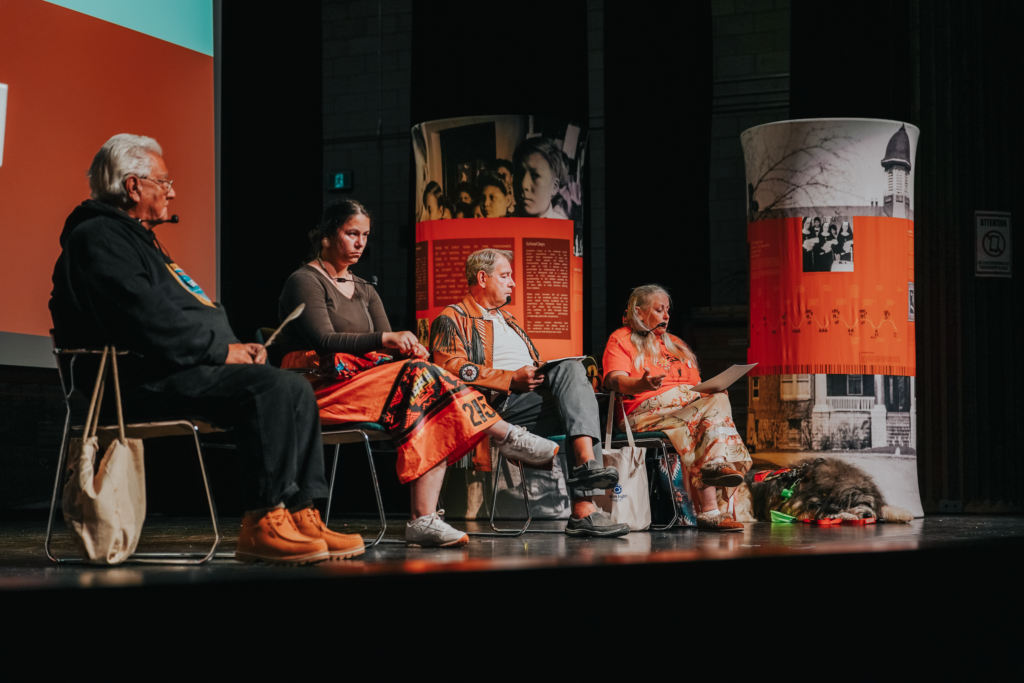
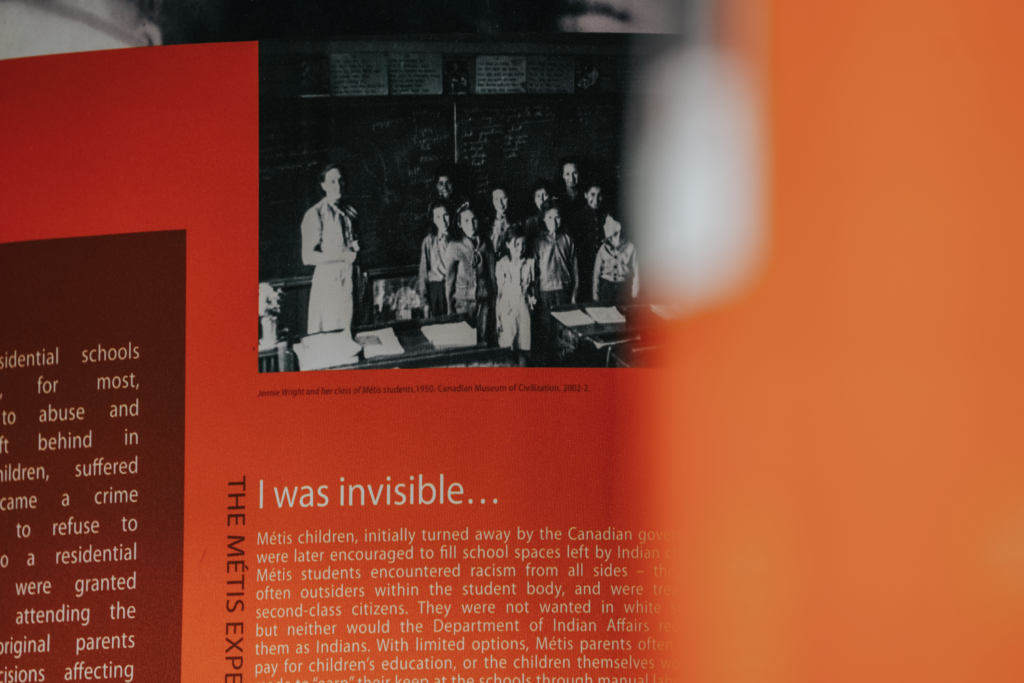
At Notre Dame High School, students had an opportunity to learn directly from Indigenous voices and lived experiences through Generations Lost: The Residential School System in Canada, an exhibition from the Legacy of Hope Foundation.
The exhibition shares the experiences of Survivors and their families while helping students understand the true history of the Residential School System, the on-going impacts of colonialism, and the strength and resilience of Indigenous Peoples.
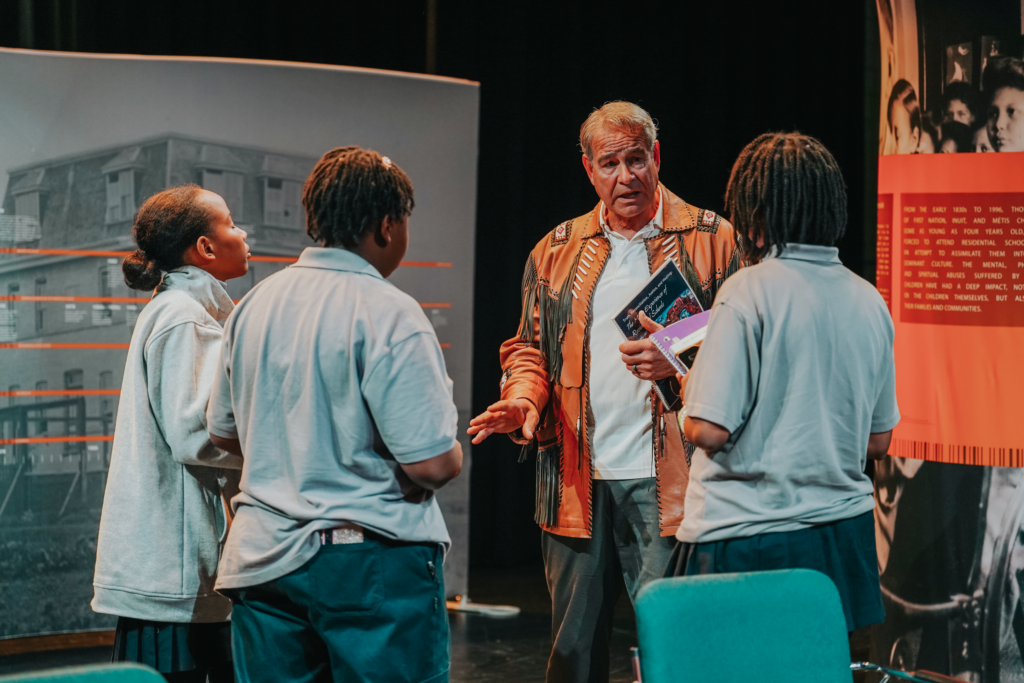
To open the exhibition, Notre Dame students took part in a panel discussion with Gramma Jo Thomas, Elder Terry, Rob McDonald, and Kyrstin Dumont, who shared their knowledge and perspectives.
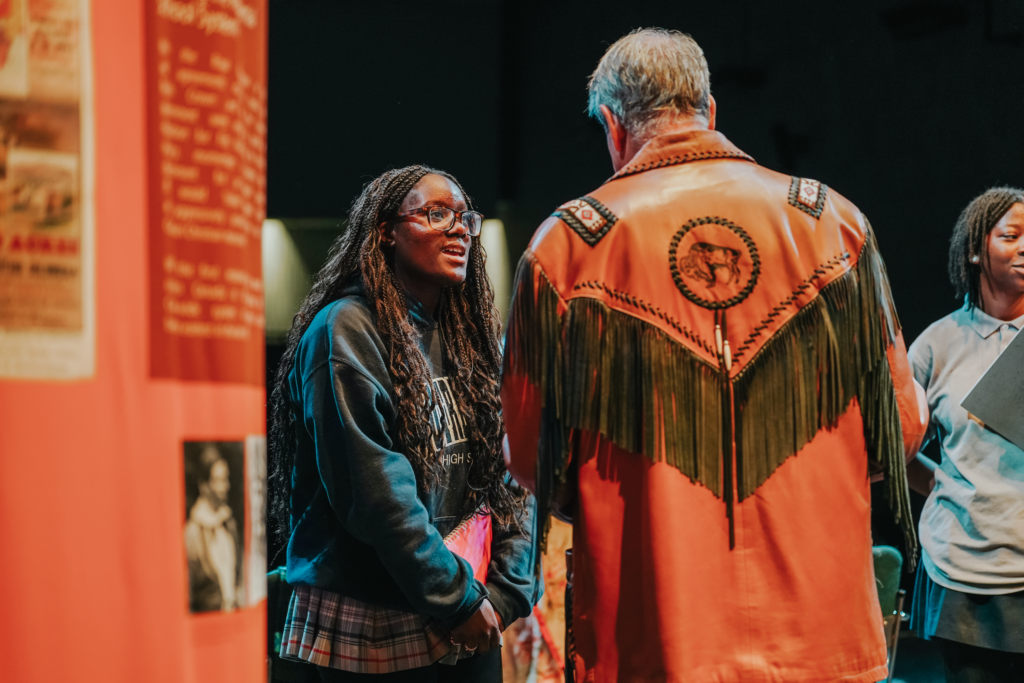
The conversation did not end when the presentation was over. One class stayed behind to ask questions and speak directly with the guests, giving students an opportunity to continue the discussion and deepen their understanding.
The exhibition remained at Notre Dame throughout the week so additional classes could spend time with the stories, experiences and history it shares.
Coming Together to Learn in Carp
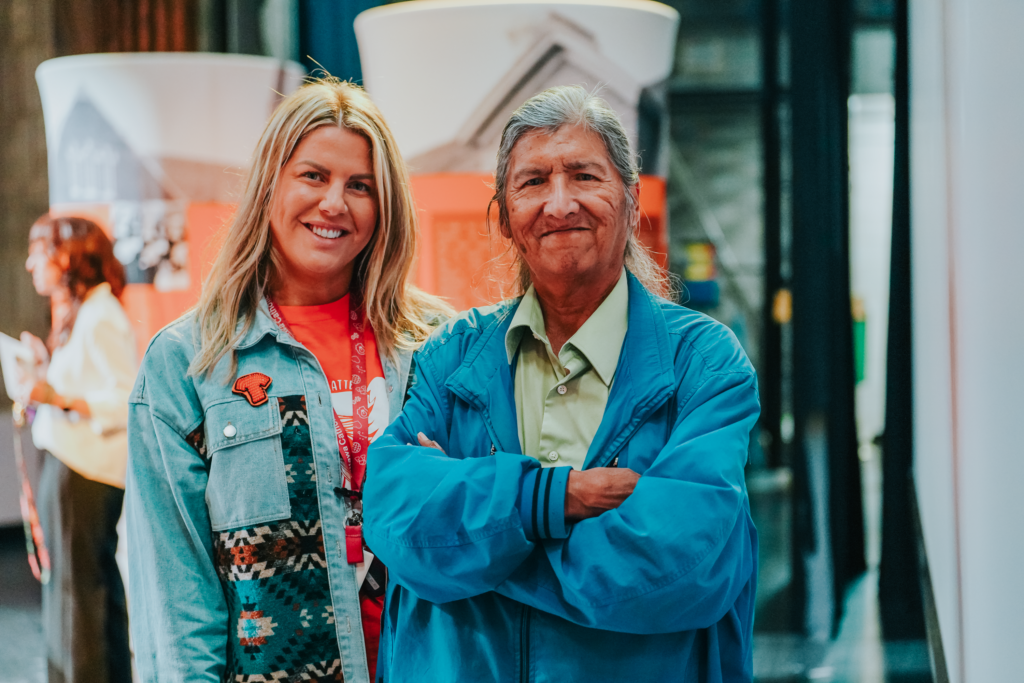
Students from four OCSB schools gathered in Carp for a day centred on learning, reflection and community.
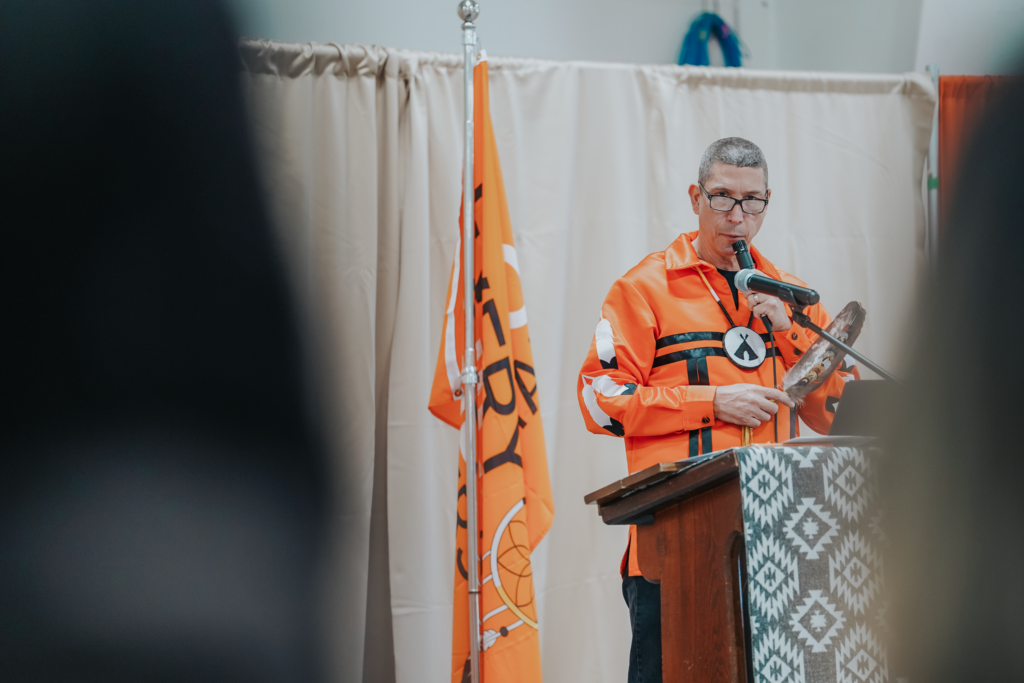
Marc Forgette, a French Algonquin member of the Apitipi Anicinapek Nation, spoke with students about residential schools and reconciliation. Students also heard from Residential School Survivors and their families, who shared their experiences and perspectives.
Students were active participants throughout the day. An interactive question-and-answer activity gave them a chance to test what they knew, discover what they did not know and continue building their understanding.
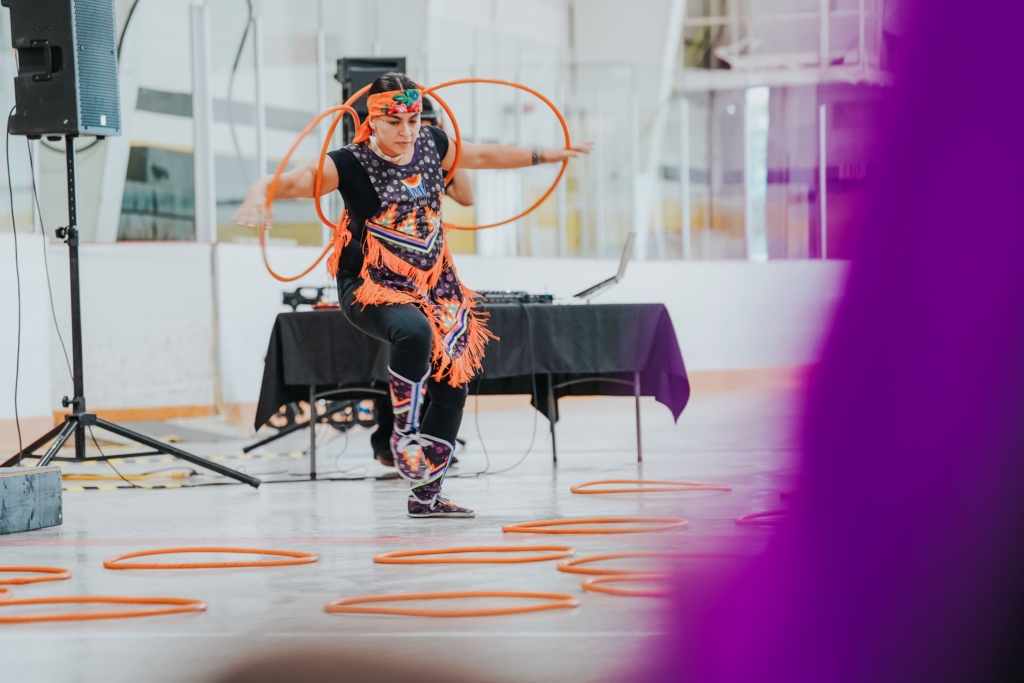
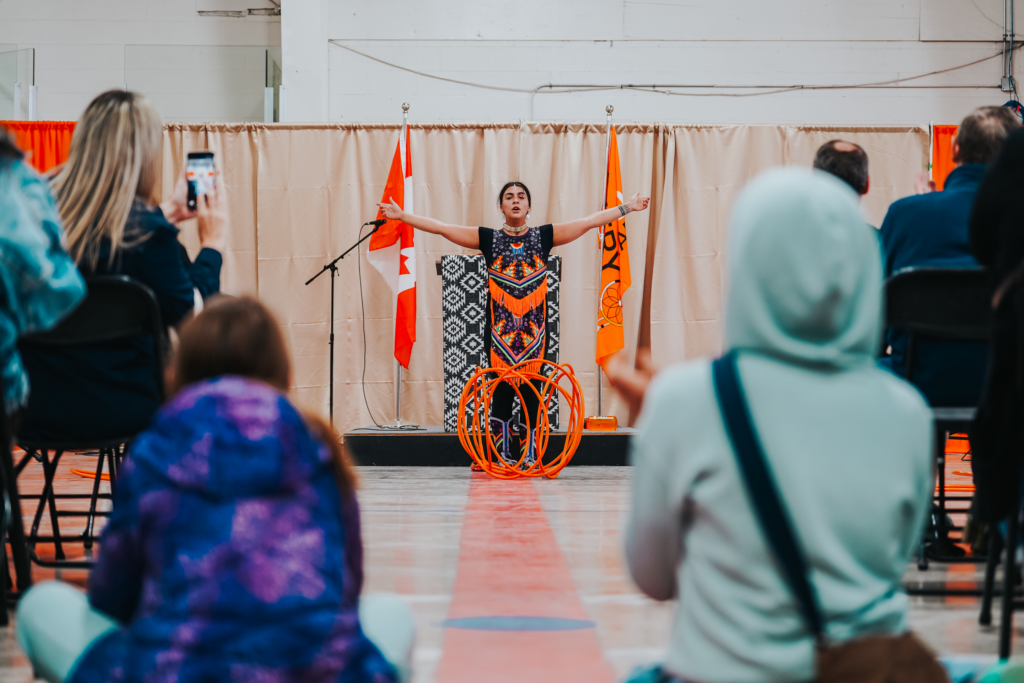
The gathering also included traditional hoop dancing by MASC artist Makhena Rankin Guerin, accompanied by music from her brother, DJ MKWA. Students watched the performance before being invited to join in and dance together.
It was a day that brought history, culture, conversation and community together in one shared learning experience.
Big Conversations Can Begin with Our Youngest Learners
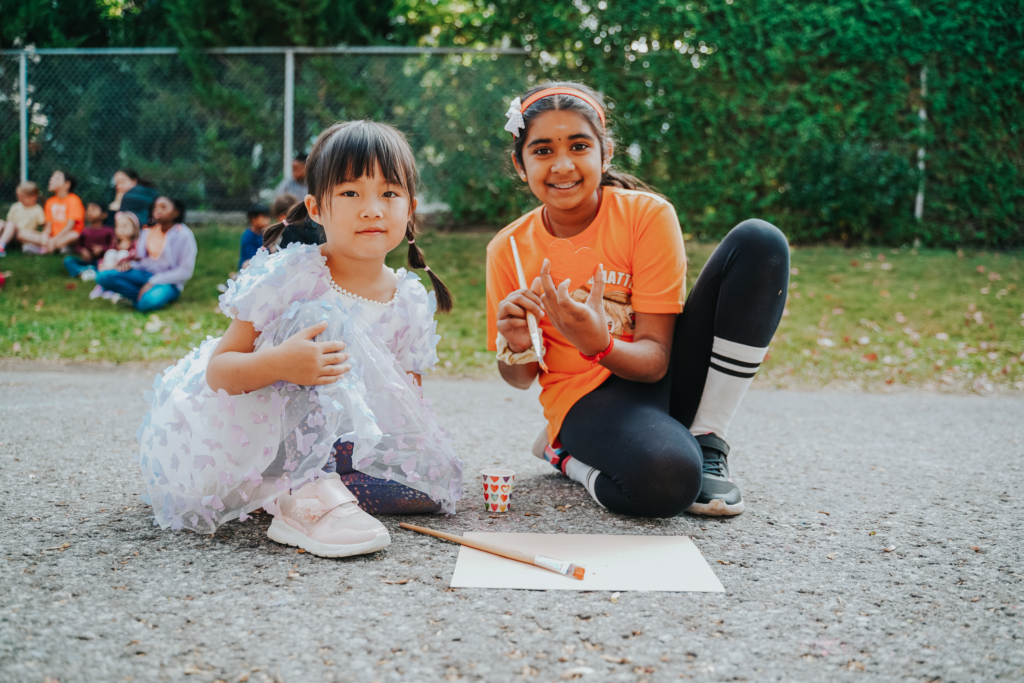
At St. Anne School, Kindergarten students and their Grade 5 buddies showed that learning about Truth and Reconciliation can begin in meaningful, age-appropriate ways.
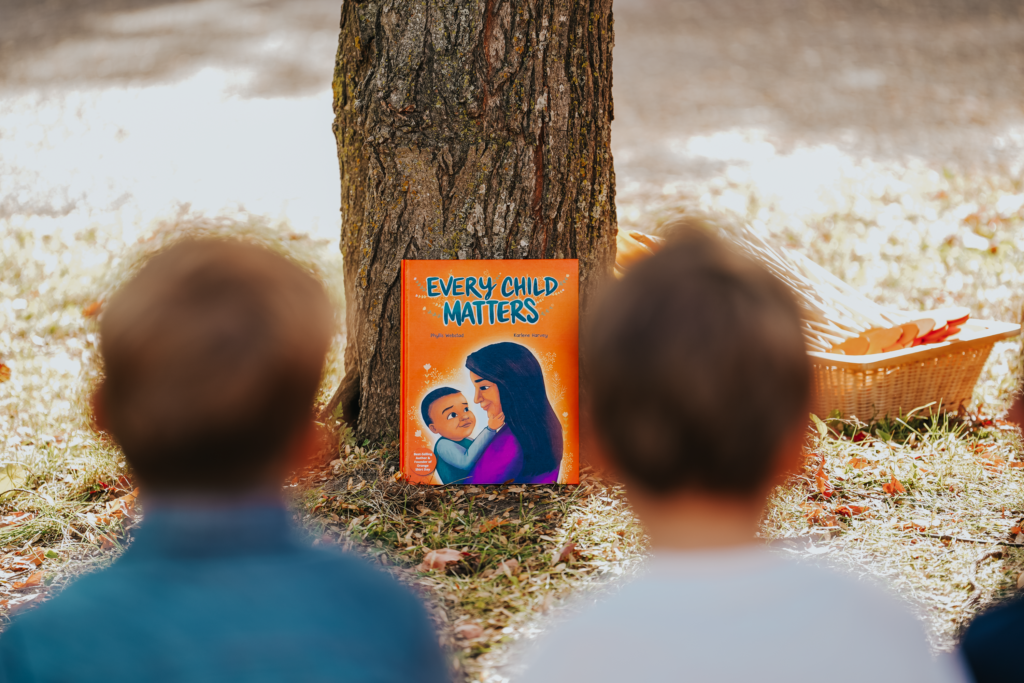
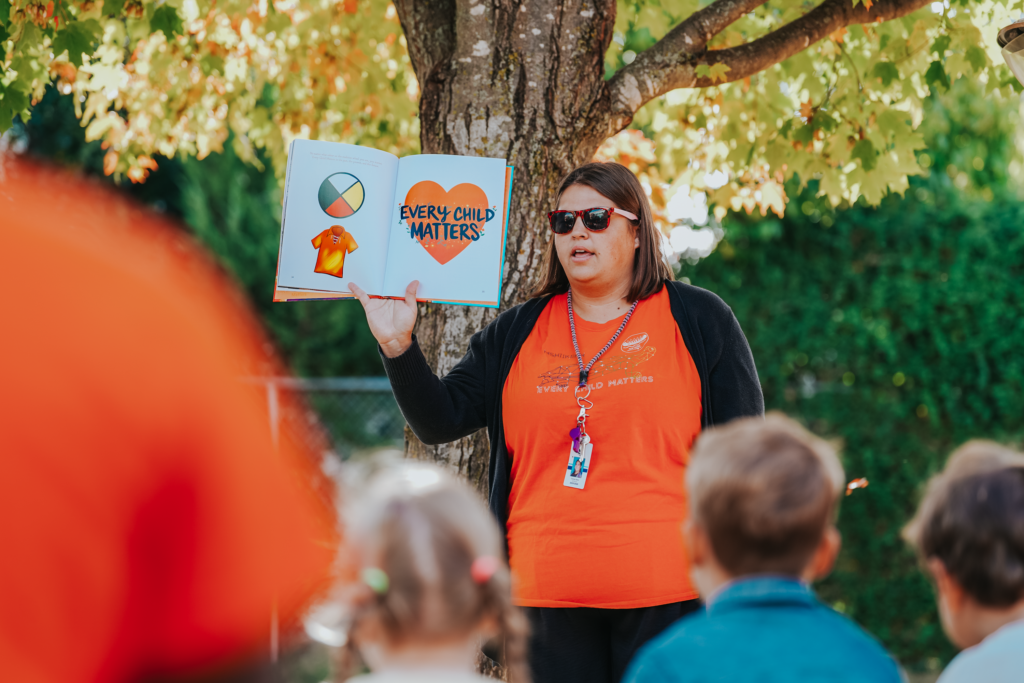
After reading a story together and learning about the meaning of Orange Shirt Day, students were encouraged to ask questions and talk about what they had learned.
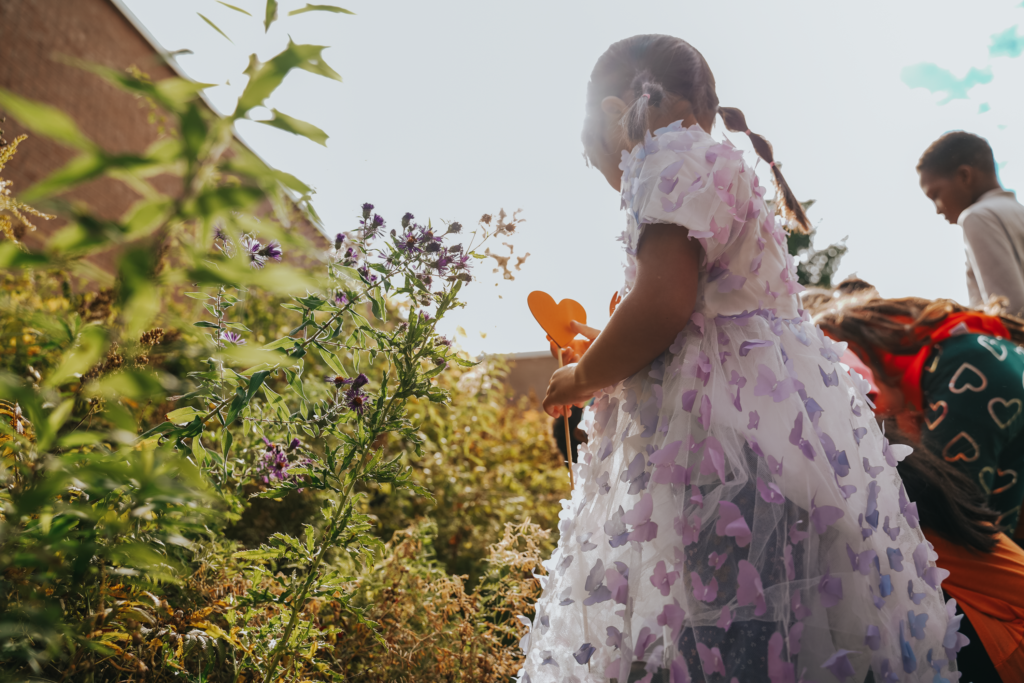
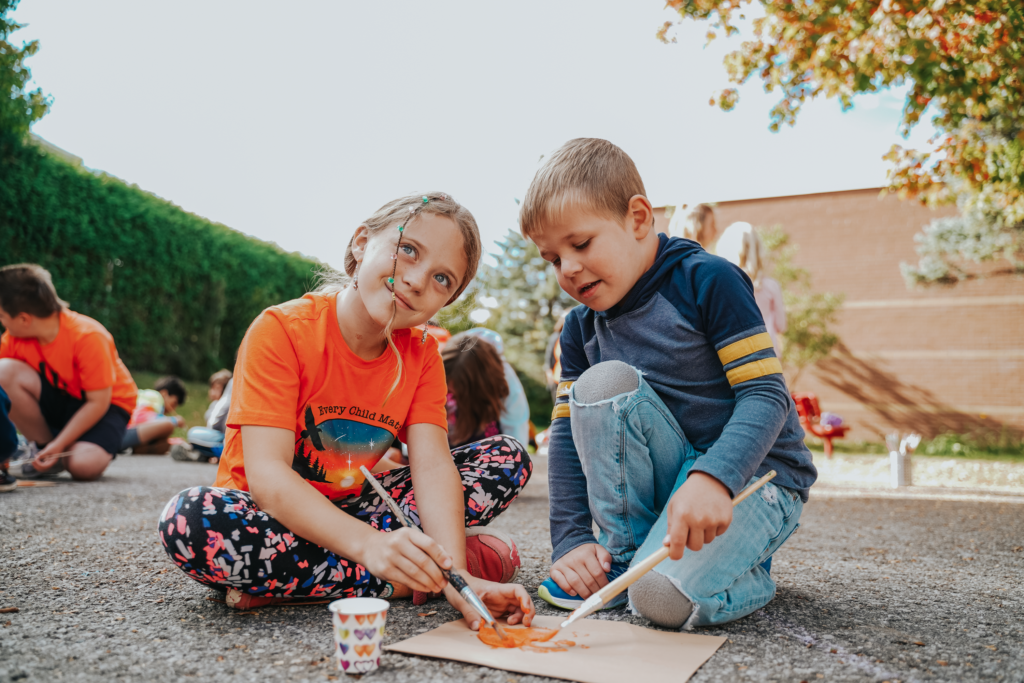
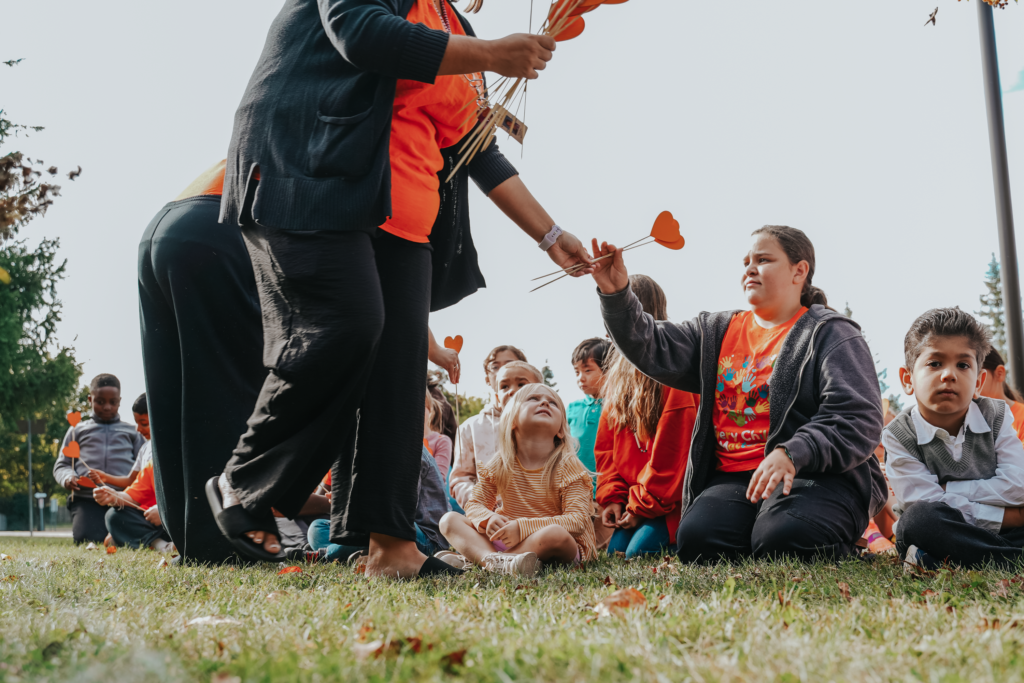
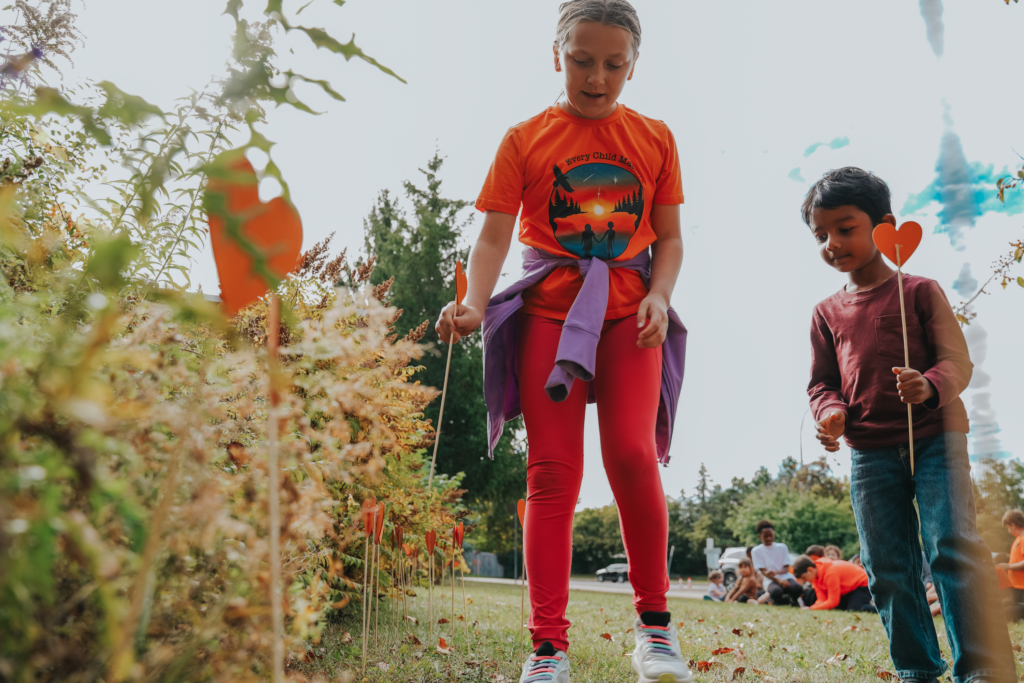
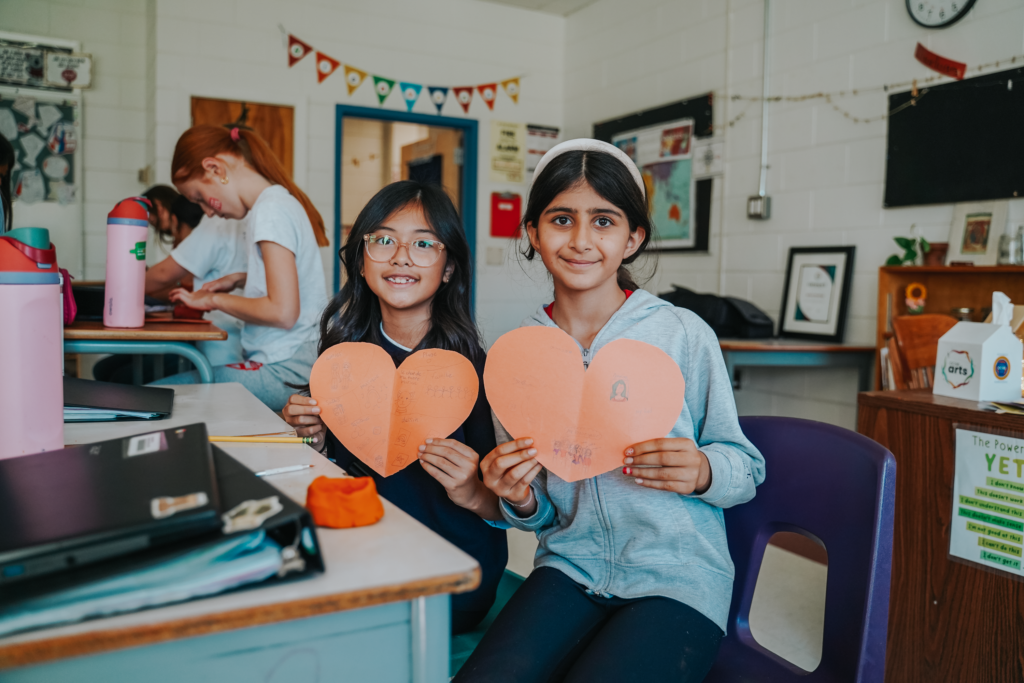
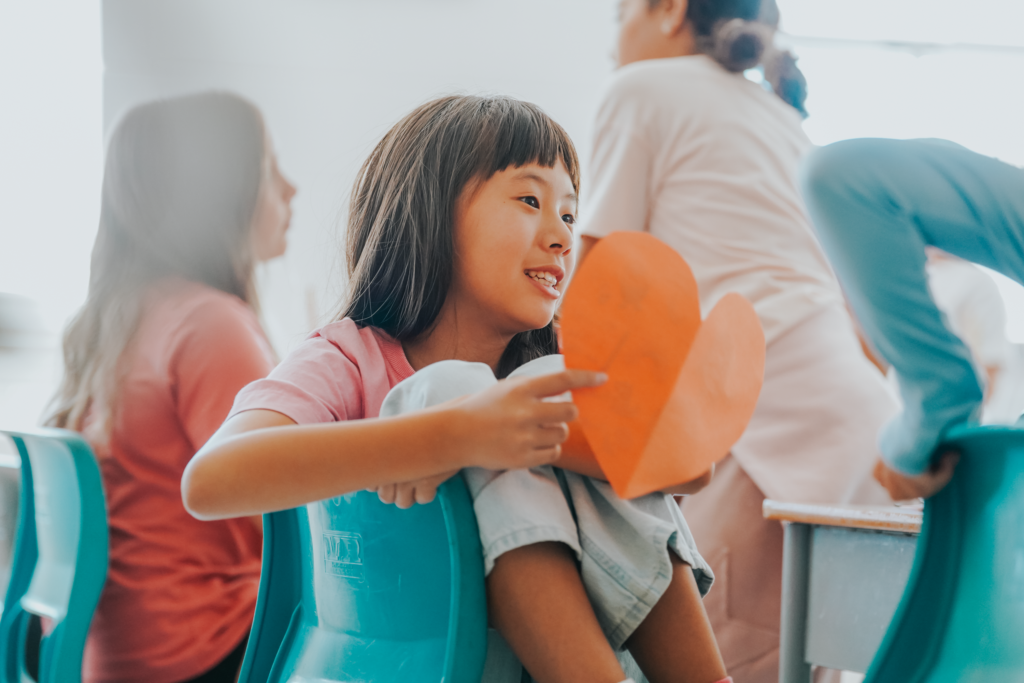
Across the school, students painted orange hearts in remembrance of the children who never returned home from residential schools. Following a smudging ceremony led by Indigenous educator Chantal Remo, students brought their hearts to the school garden, where they gathered them together as a community.
Each heart carried its own message of remembrance. Together, they became a powerful reflection of what students had learned and a visible commitment by the St. Anne community to remember.
Making Learning Personal at St. George
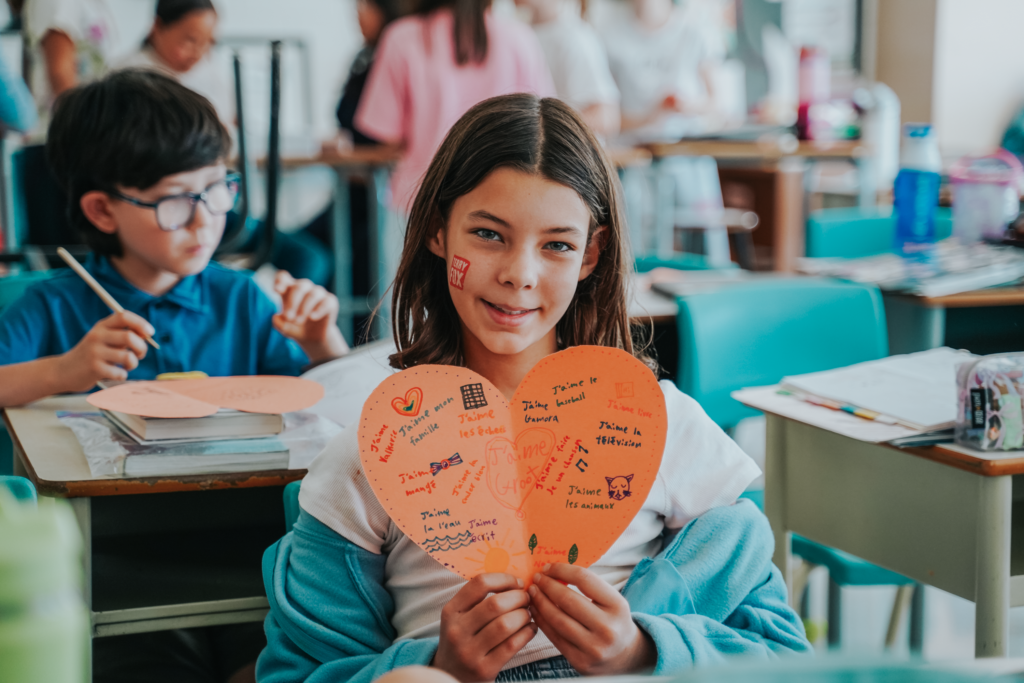
At St. George School, students were asked to think about Truth and Reconciliation through something very familiar: the people, experiences and things they value in their own lives.
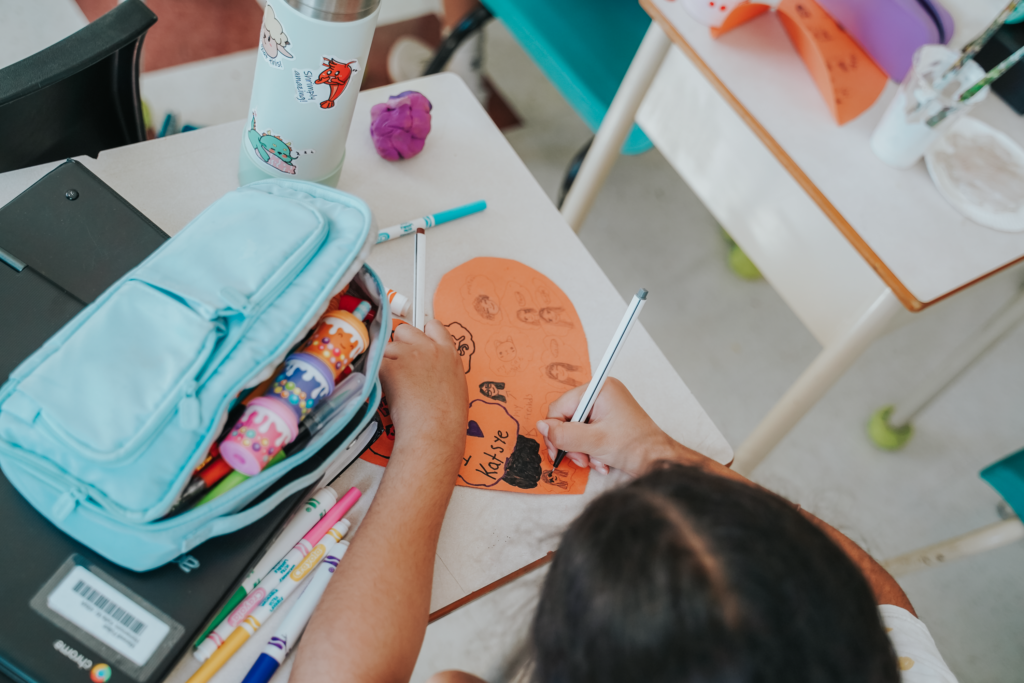
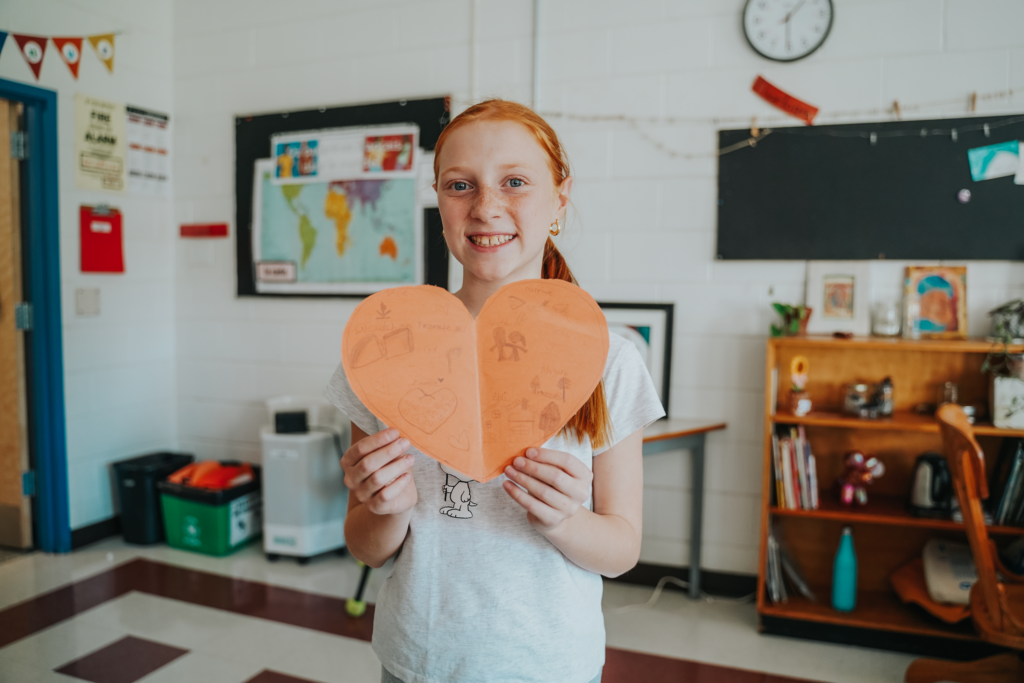
Following a presentation on Truth and Reconciliation, students filled orange hearts with what is important to them.
That simple activity opened the door to larger conversations about gratitude, education, reconciliation and the importance of challenging stereotypes.
By beginning with their own lives, students were encouraged to think about the experiences of others and why learning the truth about residential schools matters.
Learning That Continues
These are only a few examples of the learning that took place across the OCSB during Truth and Reconciliation Week.
Reconciliation is not the work of one week, one lesson or one activity. It asks us to keep listening, learning and making space for Indigenous voices, histories, cultures and perspectives in our schools.
For our students, that learning may begin with a story, a question, a conversation or an orange heart. It grows when students have opportunities to learn directly from Indigenous Peoples, hear the experiences of Survivors and their families, challenge what they thought they knew and carry that learning with them.
That is how reconciliation becomes more than something we talk about during one week of the school year. It becomes part of how we learn and grow together.
“Killing the Indian in the Child: Generations Lost” – Legacy of Hope Foundation and Department of Canadian Heritage.
Watch how OCSB students continue to learn about Truth and Reconciliation and reflect on what it means for all of us:


