It started as something simple: a walk.
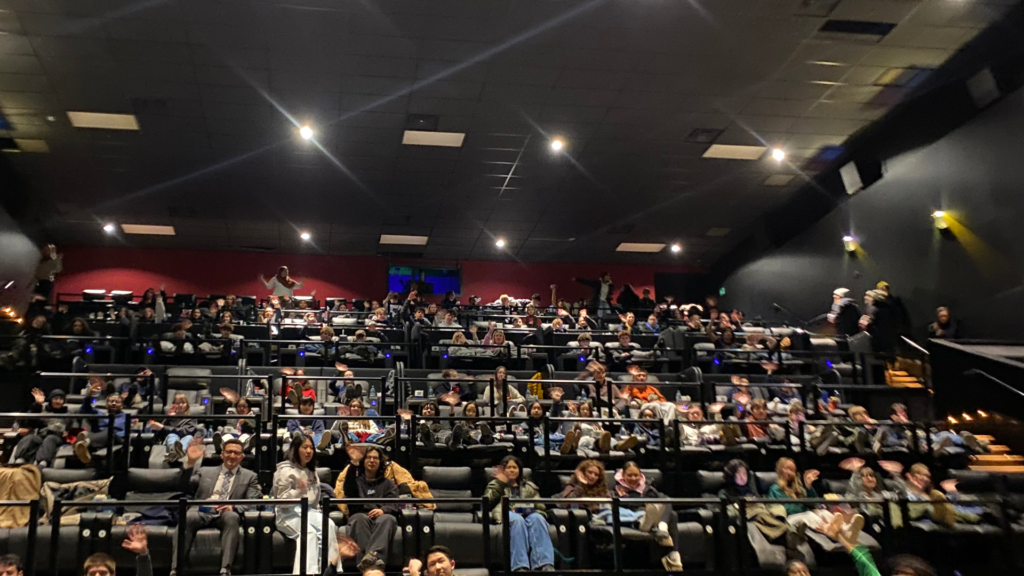
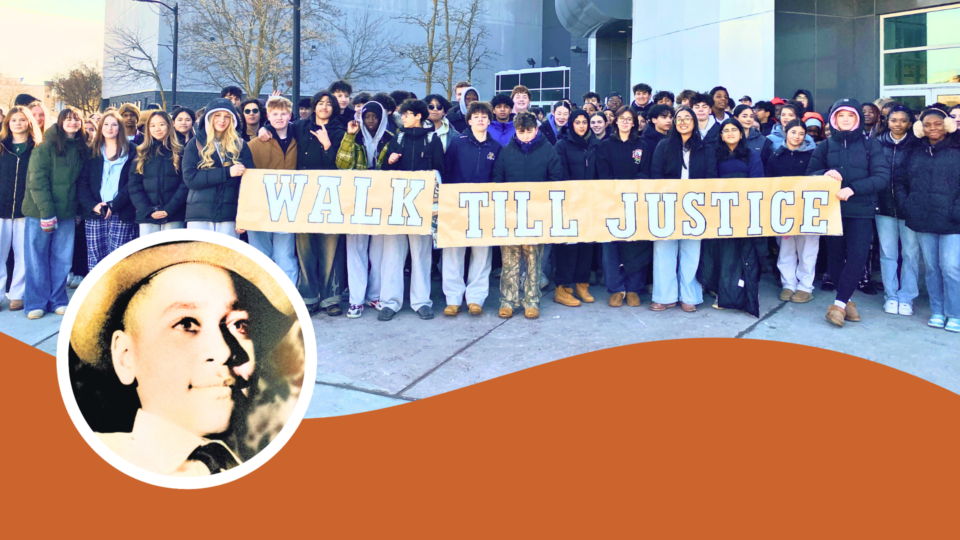
On a cold morning, nearly 300 Grade 10 students and staff at All Saints High School left their classrooms together and headed to a nearby theatre. At first glance, it looked like a typical field trip. By the time they returned, it felt like something much bigger. Many returned quiet and reflective, processing what they had just experienced.
The “Walk Till Justice” brought students together to honour the story of 14-year-old Emmett Till, a young Black boy whose murder in Mississippi in 1955 became a catalyst for the civil rights movement in the United States. Held during Black History Month, the initiative began with a walk from the school to a nearby theatre to view Till, the dramatized film adaptation of Emmett’s story.
A Story That Hits Close to Home
Because Emmett Till was 14, the same age as many Grade 10 students, the story resonated on a profoundly personal level.
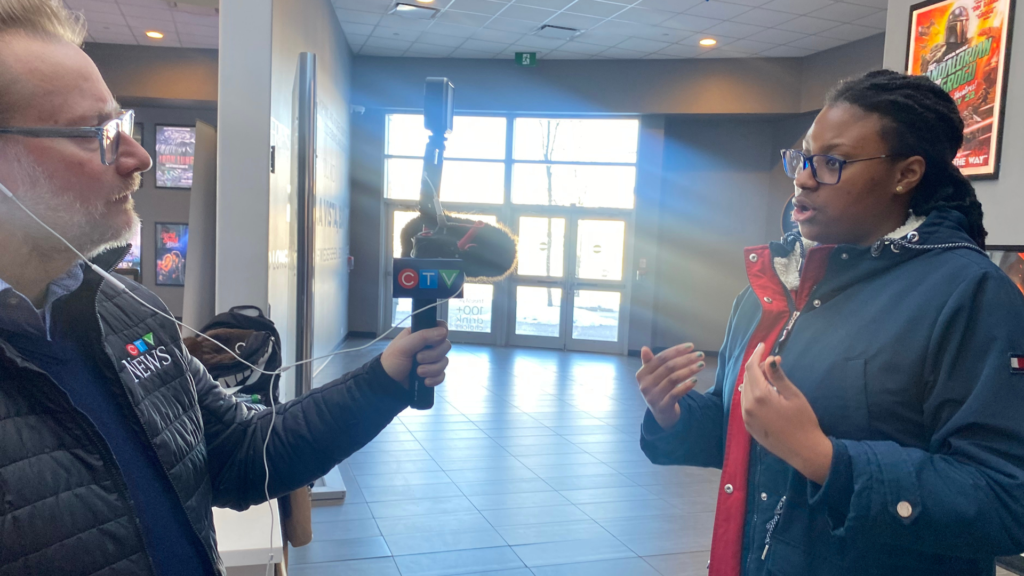
One student expressed it simply: “He was supposed to be goofy, silly, naive. But in doing that, he was just being a kid. He was not allowed to be a kid. He was murdered because of it.” Other students shared similar reactions. Some were shocked to learn he was so young, saying, “I thought Emmett Till was older. I can’t believe that.”
Experiences like these illustrate how personal and emotional learning can deepen student understanding of past and present realities.
Learning Beyond the Classroom
The Walk Till Justice was created to move learning beyond textbooks and timelines and to connect history with real human experience. The initiative reflects the Ottawa Catholic School Board’s on-going commitment to equity, diversity and inclusion.
Before the screening, staff took part in a lunch-and-learn session led by teacher and organizer Ann Marie Vanneste. The goal was to ensure teachers felt prepared to support students as they watched a film that carries significant emotional weight. That preparation mattered. It created space for thoughtful conversations afterward, rather than rushed reactions.
The theatre setting also made a difference. In the quiet darkness of the cinema, away from the usual distractions of a school day, students had room to sit with what they were seeing and feeling. After the film, many walked out slowly. Some held hands. Some locked arms. Others quietly asked one another, “Did you cry?”
“How could I not?”
Back at school, reflection took many forms. Students created interactive poster boards and portraits, built QR-linked presentations, produced artwork, and even composed original music. One student, a performance pianist, wrote a piece titled “A Walk to Justice” inspired by her emotions during the experience. Ann Marie plans to incorporate the composition into future lessons.
The range of responses showed that this was not just an assignment. It was something students felt personally connected to.
Connections That Extend Impact
The screening also featured a special message from Till co-writer and producer Keith Beauchamp. His recognition of the students’ engagement left a lasting impression on many.
“They felt like they mattered,” Ann Marie said, recalling how meaningful it was for students to hear directly from someone deeply involved in telling Emmett Till’s story.
Ann Marie has since shown students Beauchamp’s earlier Emmett Till documentary in class. In that moment, as the documentary played and Till’s mother spoke, the room fell completely silent, a testament to the emotional power of hearing firsthand accounts of history.
Through her work, Ann Marie has connected with both Beauchamp and members of Emmett’s family, including Thelma Edwards, the oldest living relative who was present the night Emmett was abducted. Thelma’s words to Ann Marie, “thank you for keeping my cousin’s spirit alive”, have become part of the mission to continue teaching this story to future students.
Equity in Action, All Year Long
This initiative reflects broader efforts in the OCSB to cultivate inclusive and equitable learning environments where students are encouraged to engage with issues of justice, dignity, and human rights. Guided by Catholic social teachings, schools are encouraged to build learning experiences that connect students with meaningful causes in their world.
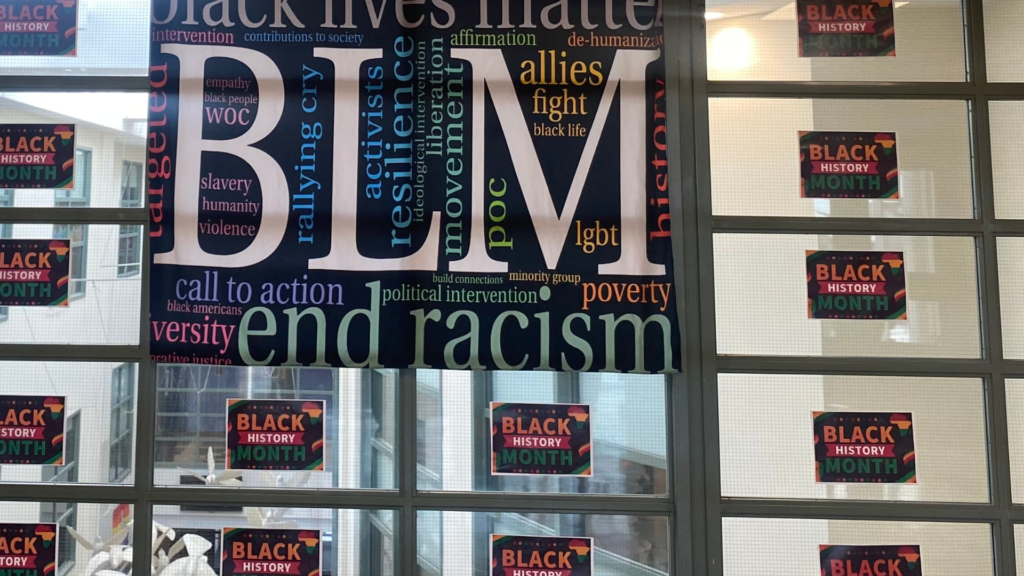
Black History Month provides a focal point for these conversations each February, but staff and leaders at All Saints emphasize that the story of Emmett Till and the lessons it holds about racism, empathy, and responsibility should extend throughout the year.
“It’s critically important that we talk about racism all year round,” Ann Marie explains, “not just in February.”
That message is echoed beyond school walls. Families have reached out to say they plan to watch the film together at home, further extending the conversation into the community. Moving forward, All Saints aims to make the Walk Till Justice a tradition: the goal is for all students who graduate from the school to have participated in this experience and reflected on its lessons.
A Legacy of Understanding
At All Saints, the Walk Till Justice is more than a screening. It’s a collective moment of listening, learning and remembering. It’s a step toward building a more just and compassionate community. Through thoughtful reflection, creative expression and honest conversation, students are not only learning about history but also understanding what it means to be human, responsible and connected to one another.
Knowing history, as one student said, is essential. Because if we don’t learn our history, we’re bound to make the same mistakes again and again.
And here, in this remarkable school community, students are learning not just to remember, but to act.