There is a particular kind of student that John Gallien, Science Teacher at St. Peter HS, has come to recognize over his years of running the OCSB’s Intermediate Chess Tournament. Perhaps he or she is a bit more reserved in class. But the moment they sit down across from an opponent at the chess board and the clock starts ticking, something shifts. Their eyes sharpen. Their posture changes. They are, suddenly and completely, in their element.
It is a transformation that no standardized test captures, and no report card reflects. But it is real, and it is one of the most compelling reasons why, year after year, Gallien keeps showing up to make this tournament happen.
Not Just a Game
Chess has a long history in schools, and researchers have spent years studying why it works so well for young people. The findings are striking: students who play chess regularly tend to show stronger math skills, sharper memory, better focus, and improved problem-solving abilities. In fact, a review of more than two dozen studies found that chess instruction meaningfully improves both math achievement and overall cognitive ability in primary and middle school students.
The benefits go beyond academics. Research has found that chess also supports the social and emotional growth of children, helping them build patience, manage their emotions, and develop the kind of resilience that serves them well inside and outside the classroom.
For students in Grades 7 and 8, who are navigating one of the most complex chapters of growing up, those lessons can be quietly profound.
An Opening Move
The Intermediate Chess Tournament did not begin with Gallien. The tradition was established by Barry Ring, a teacher at St. Patrick Intermediate School, who convened the board’s tournament for many years before announcing his retirement in 2012. Facing the possibility that the tradition might disappear, Gallien stepped forward.
“I stepped up because I did not want to see the Board’s Chess tournament tradition die. Chess clubs, teams, and tournaments add a valuable layer to some students’ educational experience.”
That decision to carry a torch rather than let it go out, has meant years of meaningful competition for Intermediate students across the board. Gallien has been convening the tournament since 2013, and in that time he has continued to refine and improve the experience, always thinking several moves ahead.
How the Tournament Works
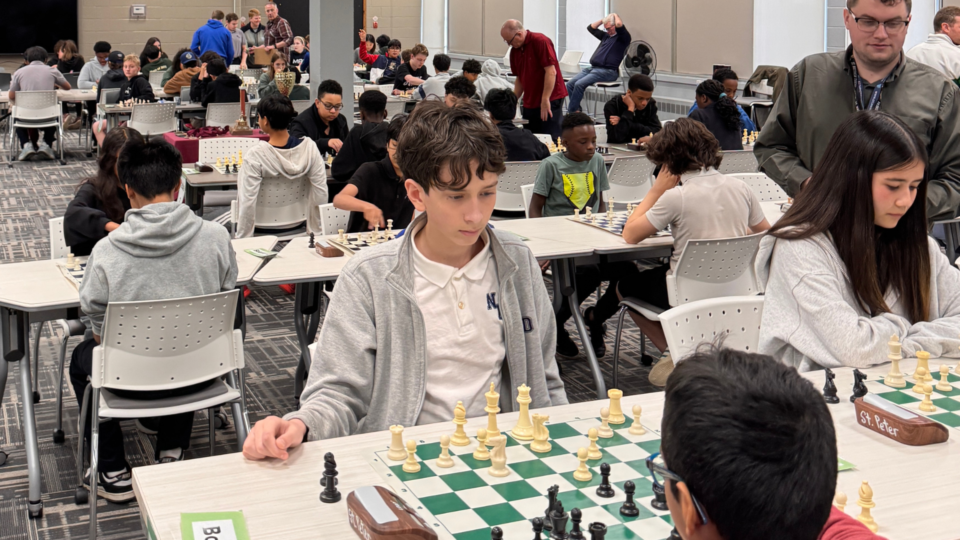
This spring, Grade 7 and 8 chess players from ten OCSB schools met for a round robin tournament. Each school brought six players, seeded by skill from their school’s chess coach or supervisor: first board, second board, and so on through the roster. In round robin play, each player competes against their counterpart from every other team, meaning every student faces opponents who are matched to their level throughout the day.
One of Gallien’s most impactful tweaks came in 2015, when the tournament introduced game timers. Timed games were fully adopted in 2016, and the change made an immediate difference in how much play students could fit into a single day. Maximizing game time is not just about competition. It is about making sure every student who shows up gets the fullest possible experience.
The Curriculum Connection
Chess is not simply an extracurricular pursuit. The tournament is designed to complement the Ontario Mathematics Curriculum for Grades 7 and 8, which places a strong emphasis on logical thinking, spatial reasoning, and critical problem-solving. Every move a student considers at the board, every pattern they recognize and every outcome they try to visualize, is the curriculum in action.
The difference is that here, the stakes feel real. The thinking is urgent. And the reward is immediate.
A Different Kind of Brilliant
This is perhaps what makes chess such a powerful setting for certain students. The game has its own language, its own logic, and its own way of measuring skill that exists completely apart from the social structures of the classroom. A student who struggles to find their footing in a traditional academic setting may discover, at the chessboard, that their mind works in ways others simply cannot match.
Researchers have found that chess is not only an intellectual activity but an important social one. Students learn to respect their opponents, follow the rules, and manage their emotions through winning and losing. They practice patience, self-discipline, and trust in their own thinking.
Gallien has seen it firsthand. He knows it when he watches a reserved student lean forward over the board, utterly absorbed, playing with a confidence they may not have known they possessed.
When asked what he would say to a student who thinks chess isn’t for them, his answer is characteristically measured and open:
“It may not be for you. But give it a fair try before deciding that.”
It is the advice of someone who has watched enough students surprise themselves to know that the next move is always worth making.
The Results
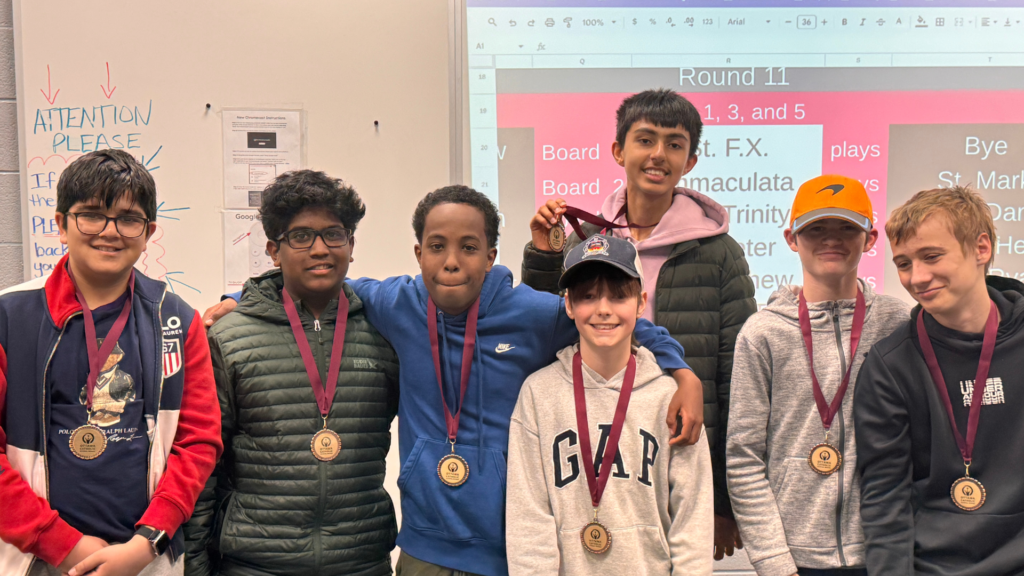
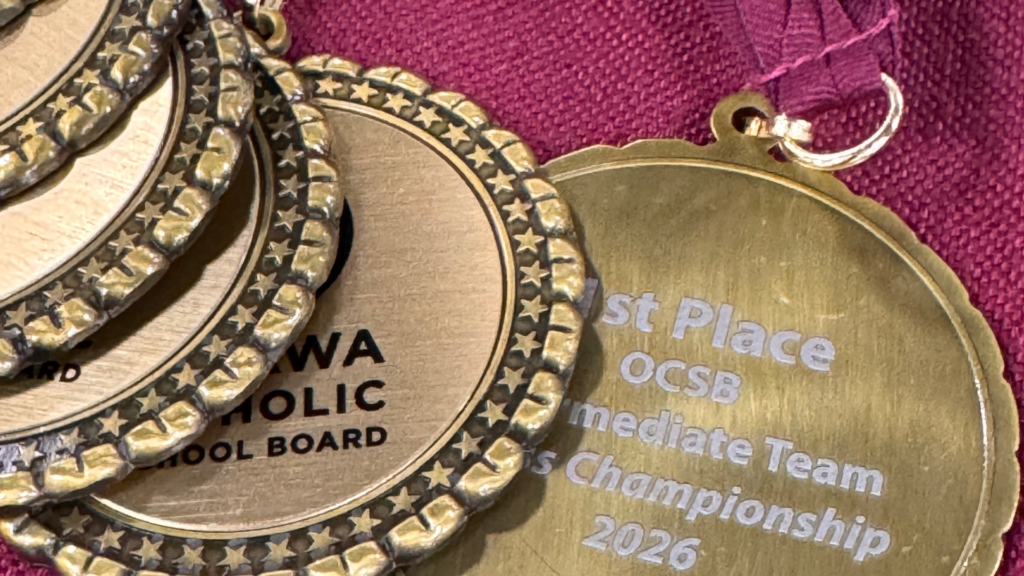
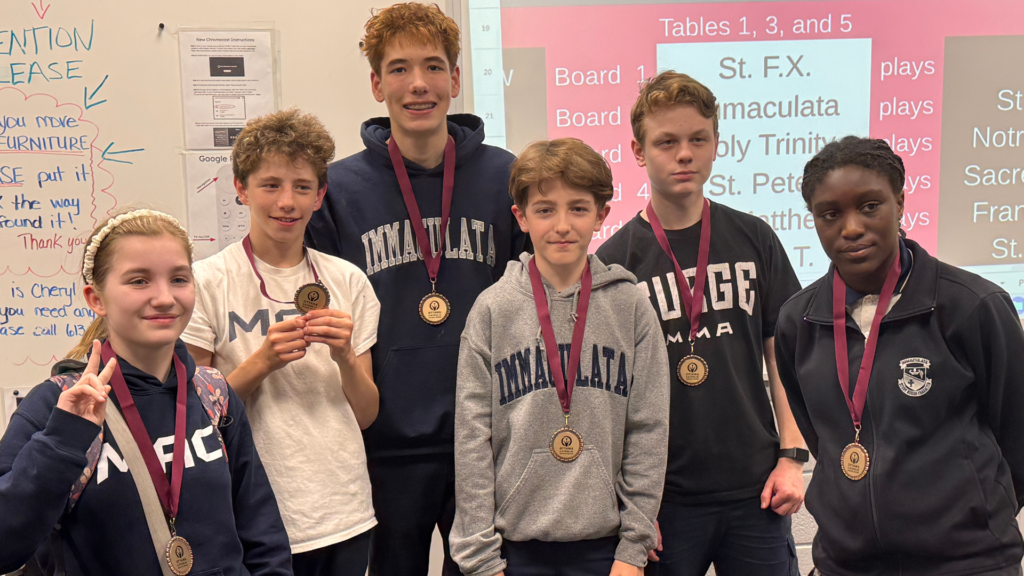
When the final games were played and the points tallied, St. Peter School claimed the gold, along with the title of best individual player. Frank Ryan School earned second place, with St. Mark School and Immaculata High School delivering strong performances that resulted in a tie for third.
For every student who competed, the day offered something beyond a result: new opponents, new challenges, and the quiet confidence that comes from sitting across from someone and trusting your own mind.
More Than a Move on the Board
While John does not compete in tournaments himself, he does play against students during Chess Club meetings. That feels fitting for someone who has always seen his role as less about winning and more about creating the conditions where others can discover what they are capable of.
The Intermediate Chess Tournament is not just a competition. It is a space where a different kind of student gets to shine, where a teacher’s decision to step up more than a decade ago continues to ripple outward, and where a quiet voice in the room sometimes turns out to be the sharpest mind at the table.