There’s a moment on a long hike, usually somewhere around hour six, when your pack feels twice as heavy as it did that morning. Your feet have been sending complaints for some time. You have to make a choice. You can stop, or you can keep going.
This spring, 63 students from Sacred Heart High School chose to keep going.
The Duke of Edinburgh’s International Award
The Duke of Edinburgh Award is one of the world’s leading youth achievement programs, active in over 130 countries. It challenges young people to grow through four areas: physical activity, skill development, voluntary service, and an adventurous journey. Earning the award isn’t about competition. There are no winners or rankings. It’s about personal challenges and pushing past your own limits.
At Sacred Heart, teacher Marika Bujaki runs the program as a genuine extension of the school’s Deep Learning approach, the belief that the most meaningful education happens when students are challenged to apply real skills in real situations.
The Adventurous Journey is where that belief gets tested most visibly.
Into the Cold
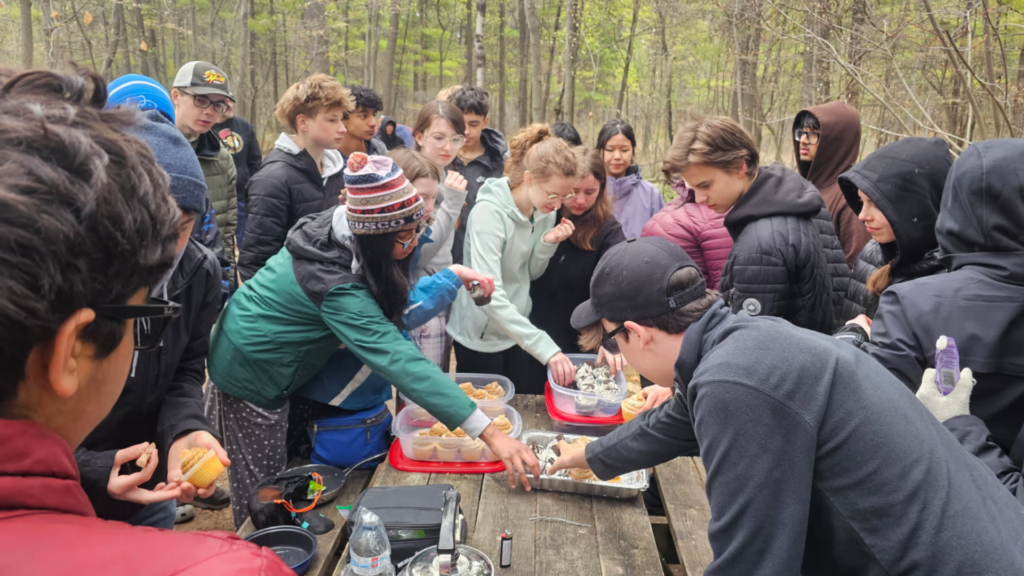
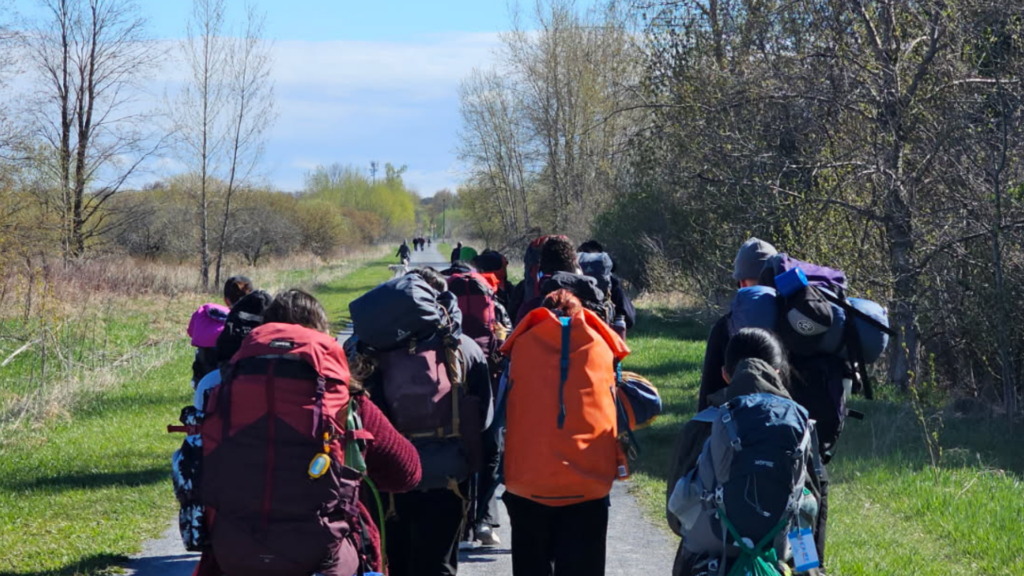
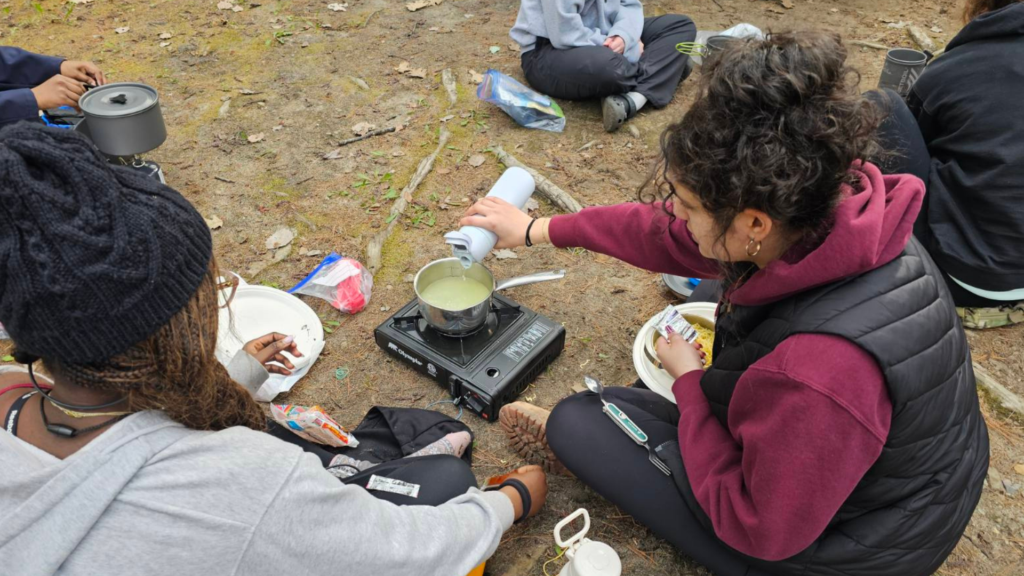
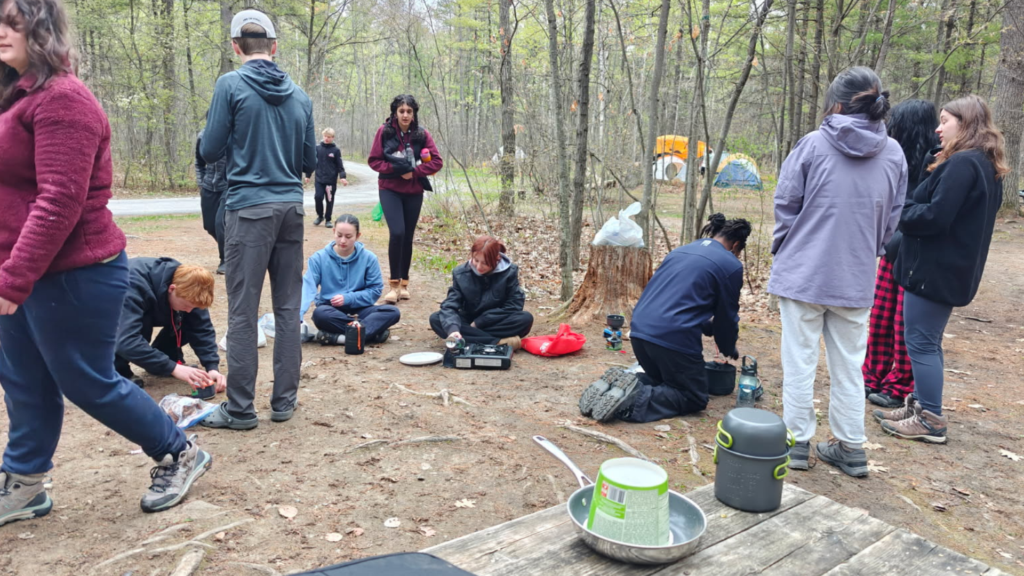
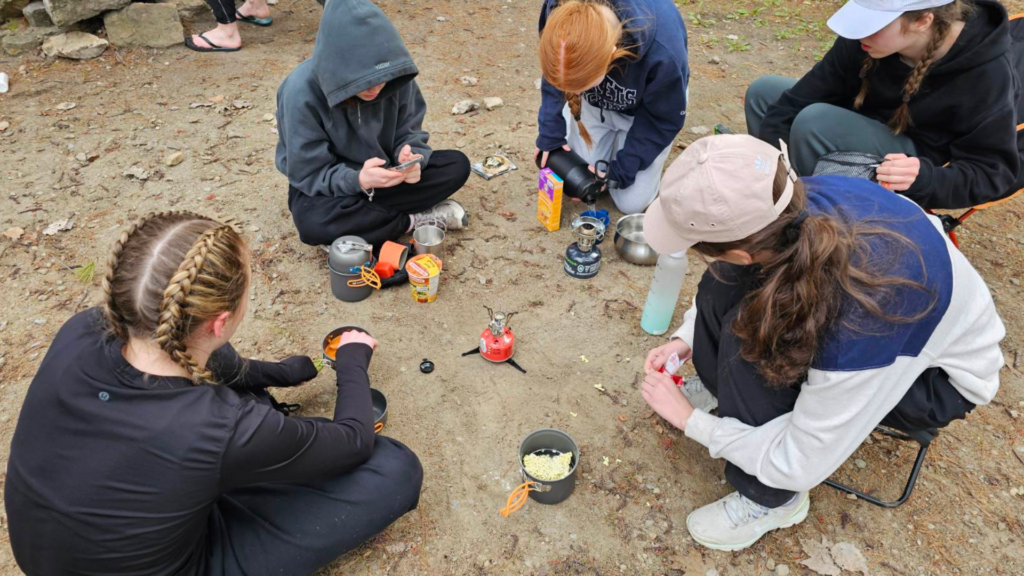
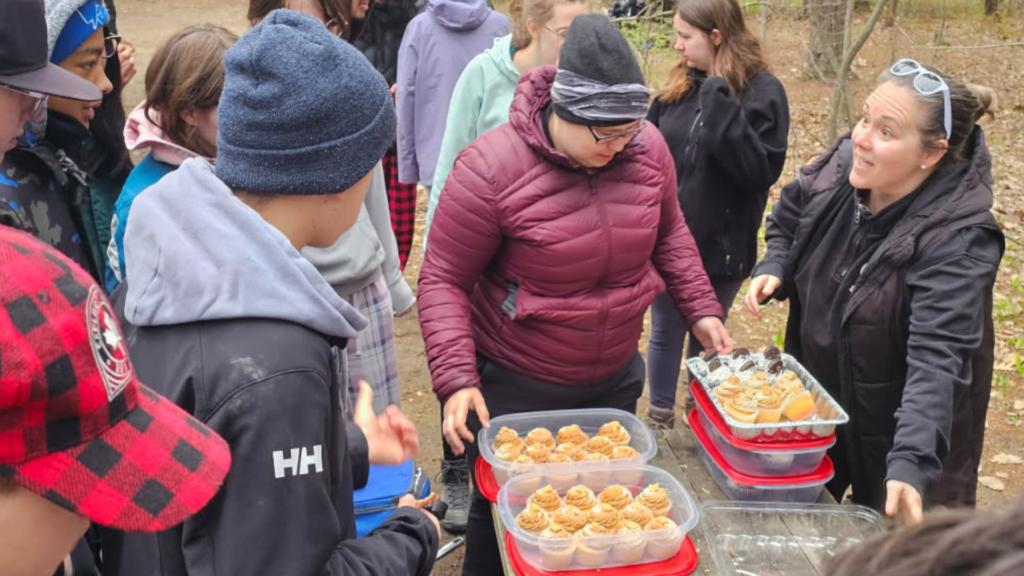
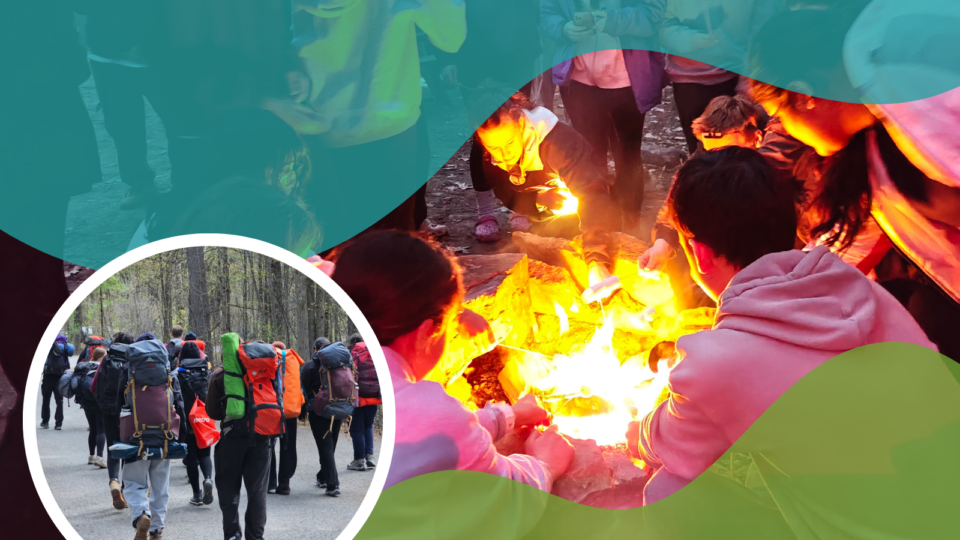
This year’s overnight journey took students from Sacred Heart through the Trans Canada Trail to Wesley Clover Parks Campground, roughly two days of hiking with everything they needed carried on their backs. No shortcuts. No one made them dinner. And on the first night, temperatures dropped to below freezing.
But here’s what made it meaningful: the students were ready, because they had prepared themselves.
In the weeks before the journey, each group mapped their routes, researched potential hazards, organized their gear, divided responsibilities, and completed practice hikes with full packs. The preparation was the first real test of whether they could think ahead, communicate clearly, and trust each other.
By the time they hit the trail, they weren’t just students on a field trip. They were small, self-sufficient teams responsible for their own success.
The Quiet Education of Shared Hardship
Some lessons are hard to teach in a classroom. Resilience, for instance. Or the specific kind of confidence that comes not from being told you can do something, but from actually doing it.
Sacred Heart student Ethel describes the most difficult stretch of the hike honestly: her body ached, her pack was heavy, and stopping felt very reasonable. She focused on putting one foot in front of the other, and on the people around her doing the same.
Without noticing it happening, Ethel became her group’s primary navigator, reading the trail and guiding her teammates. It was a role she never would have predicted for herself before the trip. By the end, it felt natural.
Marika has spent countless hours behind the scenes making this program possible. She plans logistics, coordinating routes, preparing students for the unexpected, and pours care into every detail so that when the moment comes, her students are ready to rise to it.
On this year’s Journey, that investment showed. She watched the quiet transformation in her students. One group, facing the drop in overnight temperatures, improvised by tying their tents together to form a sheltered pod for storing equipment. Nobody told them to do it. They saw a problem and solved it. For Bujaki, moments like that are exactly why the work is worth it.
What Deep Learning Looks Like on a Trail
The Deep Learning framework is built around six global competencies: character, collaboration, communication, creativity, citizenship, and critical thinking. Reading that list on paper, it can sound abstract.
Watch a group of teenagers navigate a cold trail together for two days, and those same words come to life.
Character is choosing to keep going. Collaboration is dividing the weight fairly and checking in on the person who’s fallen behind. Communication is the honest conversation when a plan isn’t working. Creativity is tying tents together as a storage solution. Citizenship is leaving the campsite cleaner than you found it. Critical thinking is the route decision made at a fork in the trail with tired legs and fading daylight.
The Duke of Edinburgh’s Award doesn’t teach these things so much as it creates the conditions for students to discover them in themselves.
What They Carried Home
When asked what word best captured this year’s Journey, Bujaki said: adaptability and teamwork.
For Ethel, the word was confidence, a different kind than she’d had before. Not the confidence of thinking you’ll probably be fine, but the harder-won kind that comes from knowing you’ve already been tested and found capable.
She hopes other students will consider joining the program. The challenges are real, she says. So is the growth.
And sometimes, that’s exactly what education looks like: not a lesson learned in a room, but a trail walked in the cold, and the quiet discovery that you were stronger than you knew.